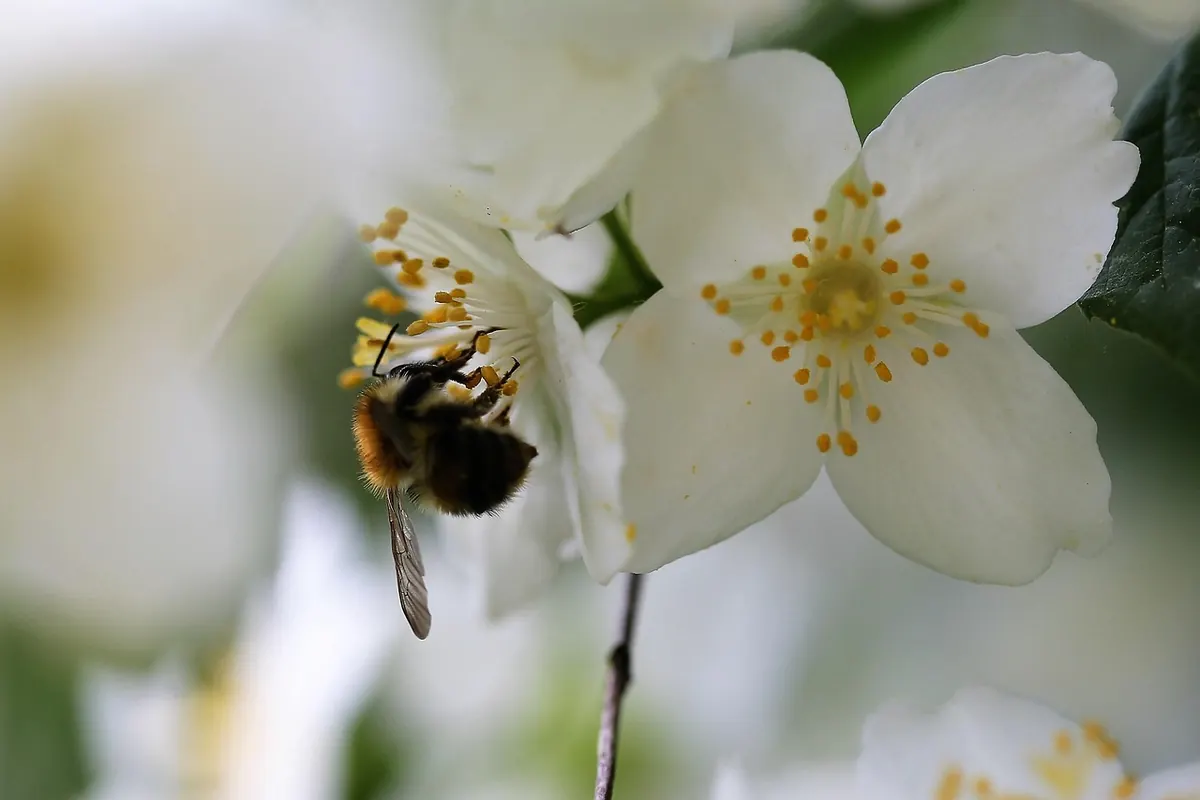
A garden the size of a picnic blanket can still be a proper pit stop for bees and butterflies. Pollinators don't measure in acres; they measure the distance between one good flower and the next. Get a handful of plants right, put them where the sun lands, and leave a little wildness in place, and even a tiny plot will pull far more weight than most people expect.
Four things, roughly: food, shelter, water, and somewhere to breed. The food part is easy to get wrong. A garden that blazes in July and gives up by September feeds a fraction of the insects that would otherwise visit. Nectar and pollen need to be on offer from late winter through to the first hard frosts, which means thinking in seasons rather than one glorious summer border.
Breeding matters too, and it's the part most small gardens miss. Many butterflies will only lay eggs on particular plants. Nettles feed the caterpillars of peacock, small tortoiseshell and red admiral; holly and ivy suit the holly blue; bird's-foot trefoil is the food plant of the common blue. You don't need a meadow. A pot of nettles kept in check in a corner does the job, and it can be cut back hard to stop it spreading.
Floor space is the thing small gardens lack, and it's the thing most people fixate on. Look up instead. A fence, a shed wall, a balcony rail and a window ledge give you far more planting area than the ground does. A climbing honeysuckle, a few wall-mounted pots of thyme and a hanging basket of trailing nasturtium can add more pollinator value than a whole extra bed.
Bees tend to work a patch of one flower at a time, so a clump of five catmints is far more useful than five different plants dotted about. Grouping in threes or fives also looks deliberate rather than random, which matters when the whole garden is only a few metres across.
As a rough rule, aim for something in flower at any point from late February to November. If you can stand in one spot and see three different flowers open at the same time, you're doing well. Write the flowering months on the plant labels if it helps you spot the gaps.
Choose plants that give a lot for the room they take. These are the ones that earn their keep in a modest plot:
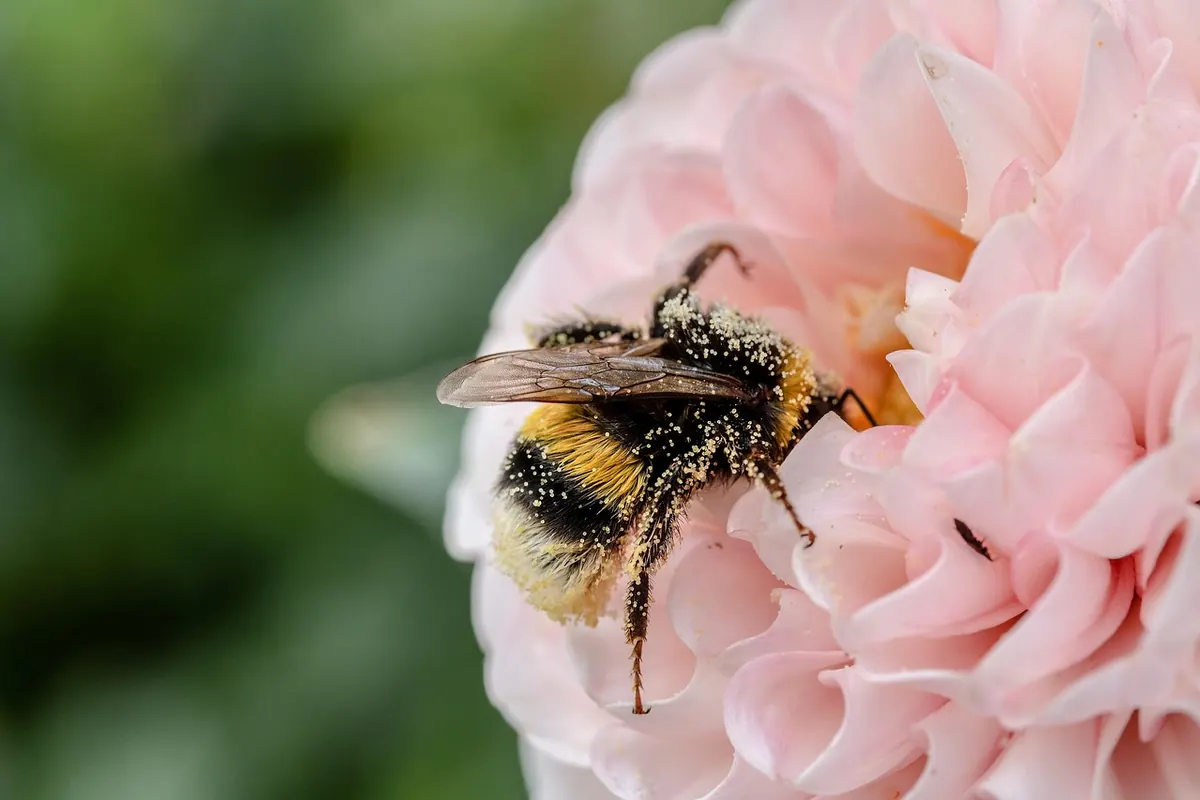
One thing worth knowing about flower shape: most double-flowered bedding — busy Lizzies, begonias, petunias and the frilly dahlias — has been bred for looks, and the nectar is either missing or impossible for an insect to reach. They aren't villains. They simply aren't doing the work.
Pollinators need somewhere to shelter, roost and nest, and that usually means a few places you haven't tidied.
Containers change everything in a small garden. Use the biggest pots you can reasonably fit, because a large volume of compost holds moisture far better than a small one, and terracotta dries out faster than glazed or plastic. Group pots together so they shade each other's roots on hot afternoons.
Put the herbs by the door — thyme, oregano, chives and mint — so you brush past them and remember to pick them. A south-facing wall planter of lavender and thyme is one of the most reliable pollinator magnets you can build, because the wall soaks up heat and holds it into the evening. If you rent, or only have a balcony, every suggestion above still applies.
Three things undo a lot of good work. Spraying insecticide on a plant that's in flower will kill the visitors as well as the pests. Deadheading every single bloom removes the seed heads that feed birds and shelter insects through winter. And a thorough autumn cut-back leaves nothing standing for anything to nest in. Do the big tidy in late spring instead, once the worst of the cold has passed.
You don't need a plan. Buy three decent-sized pots, fill them with peat-free compost, and plant lavender, oregano and a sedum. Stand them in the sunniest spot you have, add a saucer of water with a few stones
Photo: GoranH / Pixabay

Most figure-painting problems start before the brush touches the model. Here are the priming, base coating and...
Turn pinecones, twigs and dried orange slices into tree ornaments, garlands and wreaths, with clear drying methods,...

Learn how to date antique maps by examining paper, printing methods, imprints, geographic clues, colour and...

Explore hobbies in the Cotswolds.
